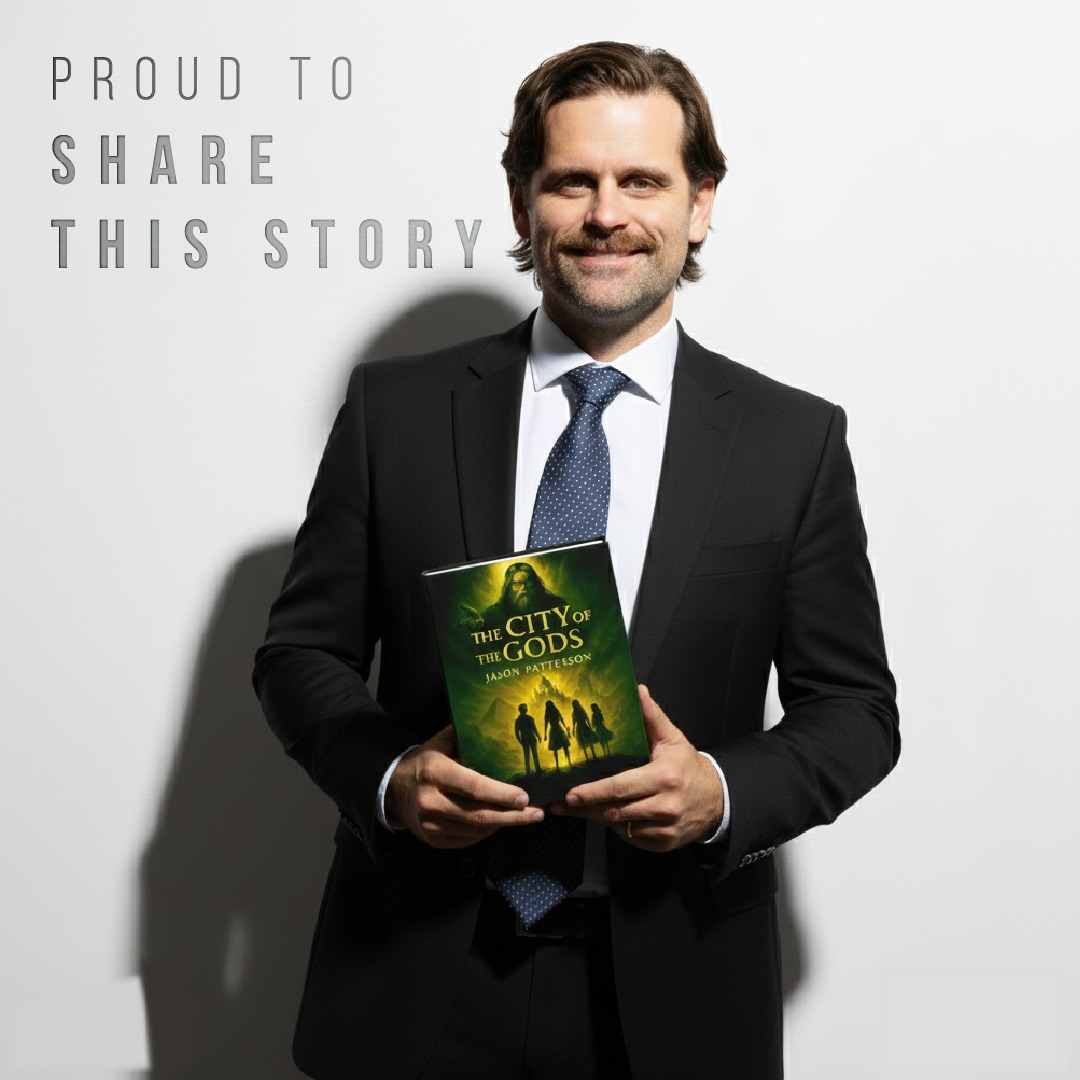
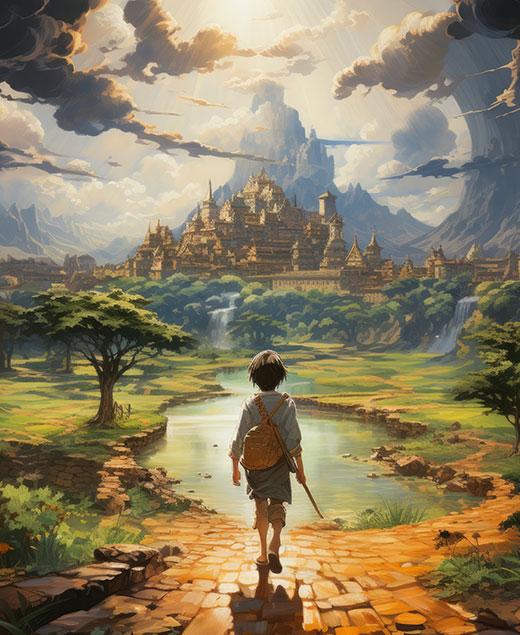
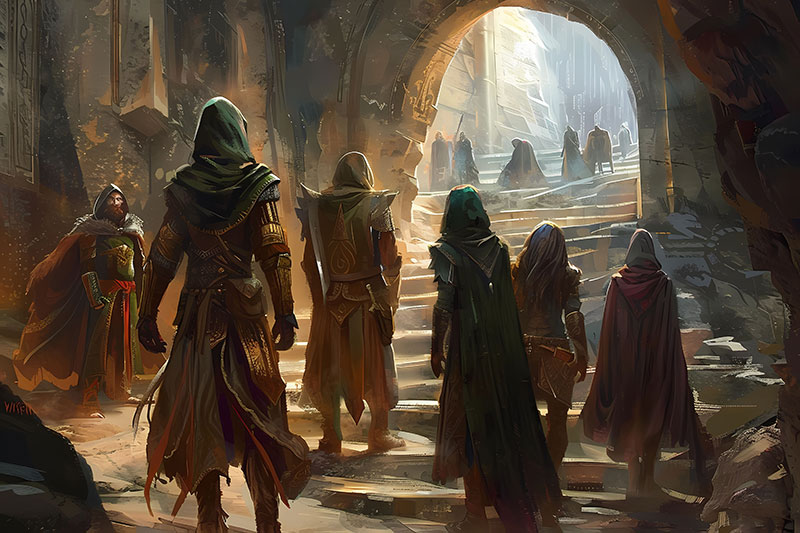
Every generation has stories that define the feelings and thoughts of its members. Some books rise above their genres because they speak to something real in their readers. The City of the Gods is one such story. It uses myth and fantasy to talk about questions that never seem to leave us — why we suffer, what we can change, and how much control we truly have over our lives.
On the surface, the book is filled with divine characters, ancient rivalries, and an imaginative blend of mythologies. But underneath all of that, it's about something much more human — a young girl who finds herself standing between two worlds, caught in a battle that tests her courage and beliefs.
The Mythical and the Modern
The book doesn't separate the mythical from the modern. It reminds us that the same themes that shaped old legends are still alive in us now. The humor gives it warmth, the philosophy gives it weight, and the heart gives it life. Together, they create a tone that feels both light and meaningful — a quality rare in modern fantasy.

A Different Kind of Strength
The story's main character isn't a warrior or a chosen one in the traditional sense. She's an ordinary girl facing extraordinary circumstances. Her power comes from persistence, empathy, and a kind of bravery that feels real. True courage often comes from stillness, not strength.
Questions That Stay With You
Readers have said the book feels relevant even while being set in a mythical universe. Are we guided by destiny, or do we create it ourselves? The story never offers easy answers, but it makes you want to keep thinking long after the last chapter ends.
If you enjoy books that make you feel as much as they make you think, this one belongs on your shelf.
Get the Book on Amazon